What Do You See In this 1860 Census Image?

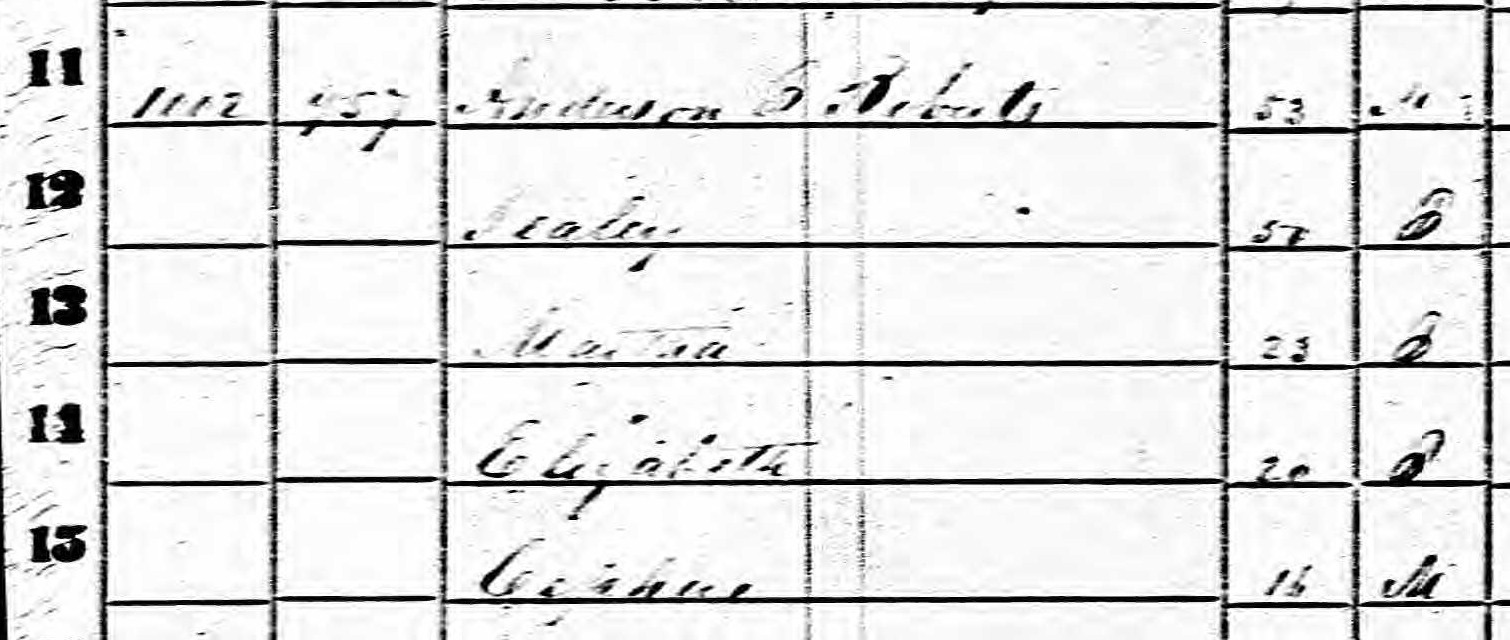
How’s your eyesight?  What name is given for the the head of this household in the 1860 Federal Census in District 1, Williamson County, Tennessee? (The Image mirrors the quality of the original.)
1860 Roberts, Anderson G. Federal Census for Williamson County, TN

Source Citation

Year: 1860; Census Place: District 1, Williamson, Tennessee; Roll: M653_1279; Page: 170; Image: 346; Family History Library Film: 805279

Source Information

Ancestry.com. 1860 United States Federal Census [database on-line]. Provo, UT, USA: Ancestry.com Operations, Inc., 2009. Images reproduced by FamilySearch.

Original data: 1860 U.S. census, population schedule. NARA microfilm publication M653, 1,438 rolls. Washington, D.C.: National Archives and Records Administration, n.d.

Here’s what the indexer saw.

Name: Anderson F Roberts
Age in 1860: 53
Birth Year: abt 1807
Birthplace: Tennessee
Home in 1860: District 1, Williamson, Tennessee
Gender: Male
Post Office: Franklin
Value of real estate: View image

Did the indexer see it correctly?  Is it what they “saw” or could it have been “what they typed”?  Look at your keyboard next to the “F” key.  What do you see to the right?  Yes. That’s what I think this indexer did.  They made a typographical error.  They typed an “F” rather than a “G”.  They also failed to separate the Roberts family from the previous family in the column even though the original record clearly separates them.

What do we learn?

  • View the original when you can.  Don’t just take my word or the word of any other well-meaning person.  You are ultimately responsible for what you put on your tree.  Our lack of caution may confuse other online friends trying to “fill in their blanks”.  I found this relative in several other trees as Anderson F. Roberts when he is clearly Anderson G. Roberts here and in other documents.
  • Recognize your fallibility and the fallibility of others.  We all make mistakes.  Try to catch as many as you can.  Be open to correction.  We just want to get it right.
  • Take the time to put alternate information into the record when given the opportunity.  Remember, only put in what you see in the original document, not what you think or know it should be based on other research.

Can you Help!  Anderson G. Roberts is my 2 x great grand uncle.  Do you know anything about the Roberts or Tatums from Williamson County, Tennessee?  I would like to hear from you.  We may be cousins!  Also, if you enjoy this post or other posts on my blog, please share this blog with others.  You may also sign up to receive notice when new blogs are posted.  Use the “Follow” button on the Home Page.

Thanks for your help!

Dealing with Death Certificates

I love death certificates.  I sort of collect death certificates, well, at least for family history purposes.  They’re a wealth of information – and some of it is good!

Like all documents, the information contained on a death certificate is only as good as the informant. If the informant knows the correct dates, names or spellings, the document MAY be correct IF the document transcriber records it correctly.  As I wrote in an earlier post, good genealogists are good skeptics.

What can we learn about our ancestors from their death certificates?  What is the most valuable information found in these documents?  How should we approach them?  What cautions should we consider?

Consider the certificates of three brothers, three of my great grand uncles.

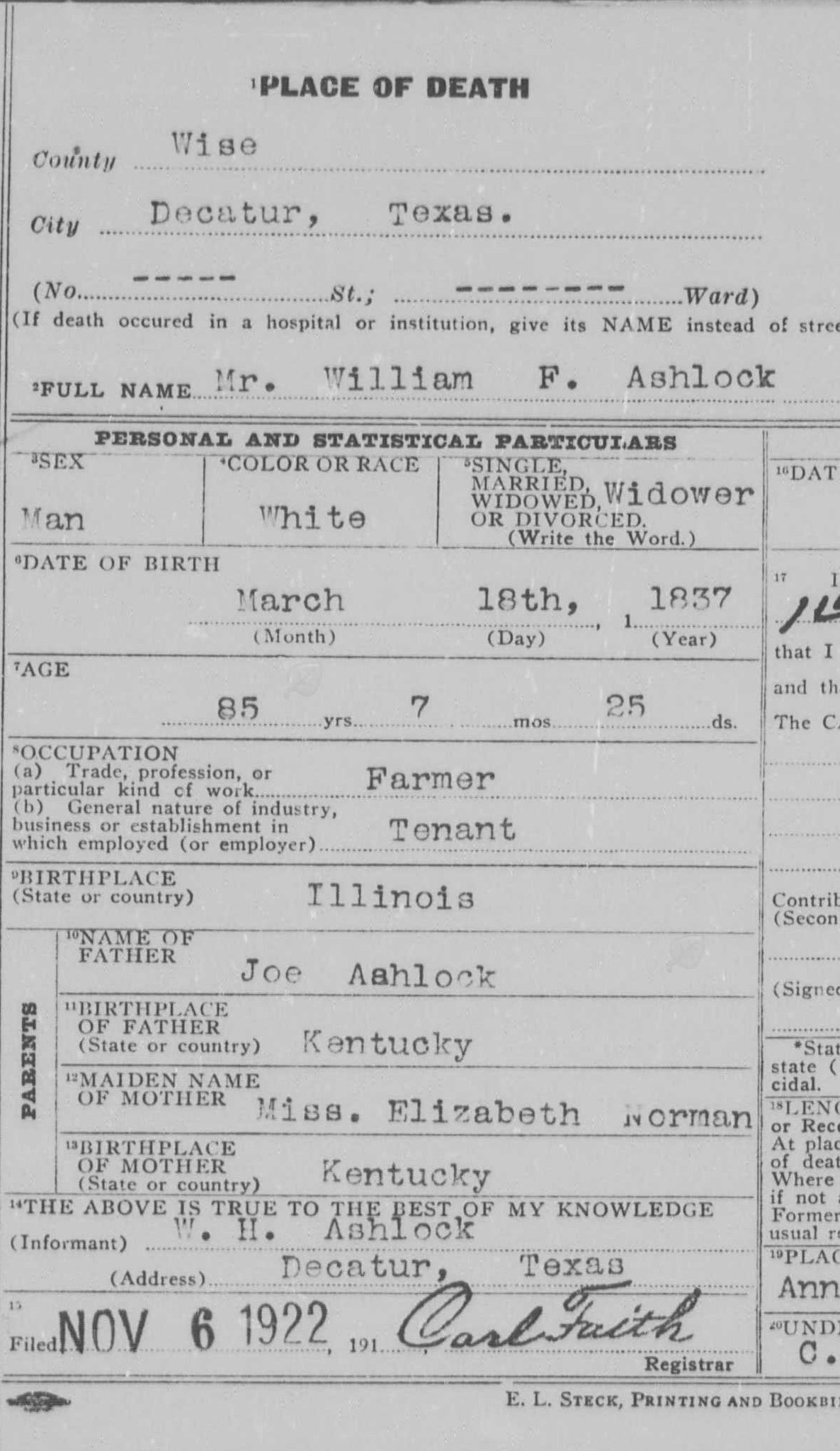
William F. Ashlock died 12 October 1922 in Wise County, Texas.  These facts and the cause of death are the most reliable facts on a death certificate.  Why?  Because they are the facts provided by an attending physician who is aware of the date, time and place of this event.  This information is found on the right side of the three samples we see here. We look here at only the left side of these samples.

1922 Ashlock, William F. Death Certificate

  • Place of death:  Decatur, Wise County, Texas
  • Name:  William F. Ashlock
  • Sex:  Male
  • Race:  White
  • Marital Status:  Widower
  • Date of birth:  March 18, 1837
  • Age:  85 yrs. 7 mo. 25 days
  • Occupation:  Farmer
  • Birthplace:  Illinois
  • Name of Father:  Joe Ashlock
  • Father’s birthplace:  Kentucky
  • Name of Mother:  Miss Elizabeth Norman
  • Mother’s birthplace:  Kentucky
  • Informant:  W. H. Ashlock
  • Address:  Decatur, Texas
  • File date and official who filed it:  November 6, 1922 by Carla Faith

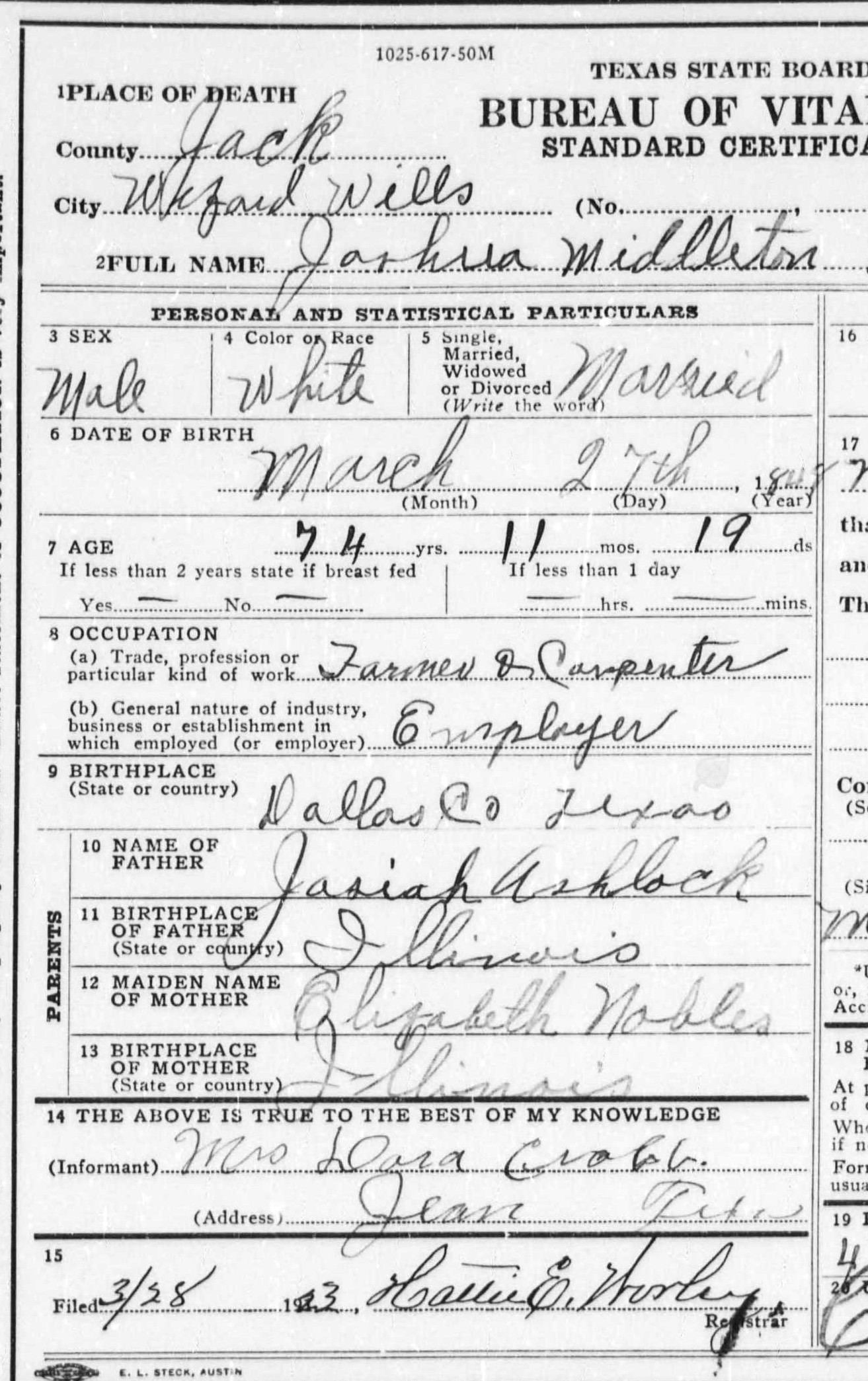
Joshua Middleton Ashlock died 17 March 1923 in Wizard Wells, Jack County, Texas.

  • 1923 Ashlock, Joshua M. Death CertificatePlace of death:  Wizard Wells, Jack County, Texas.
  • Sex:  Male
  • Race:  White
  • Marital Status:  Married
  • Birth date:  March 27, 1848
  • Age at death:  74 yrs 11 mo 19 days
  • Occupation:  Farmer and Carpenter
  • Place of birth:  Dallas County, Texas
  • Father’s name:  Josiah Ashlock
  • Father’s birthplace:  Illinois
  • Mother’s name:  Elizabeth Nobles
  • Mother’s birthplace:  Illinois
  • Informant:  Mrs. Dora Crabb of Jean, Texas
  • Information recorded by Hattie E. Worley (I think.) on March 28, 1923

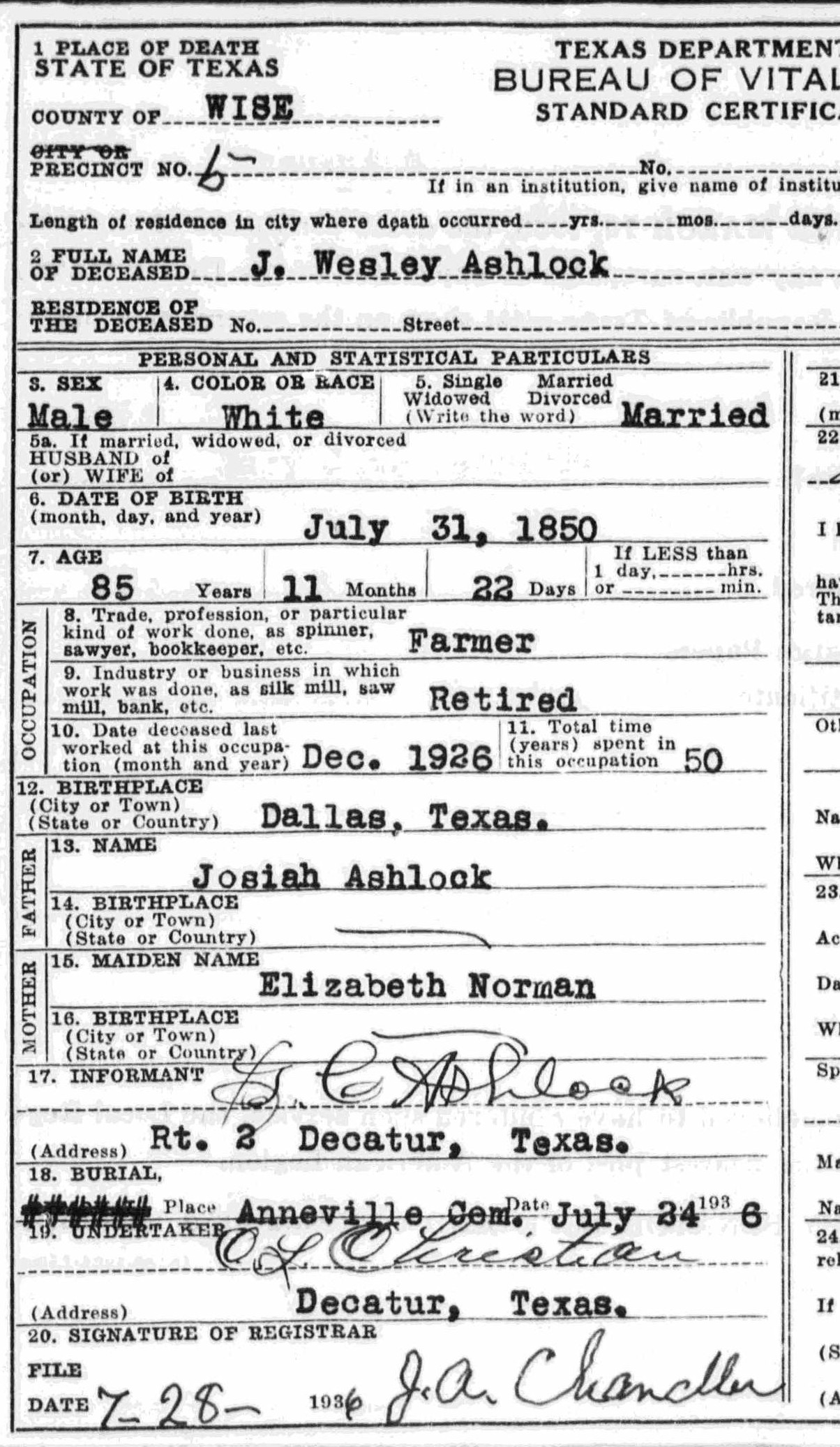
James Wesley Ashlock died July 23, 1936 in Wise County, Texas.

  • 1936 Ashlock, J Wesley death certificatePlace of death:  Wise County, Texas
  • Sex:  Male
  • Race:  White
  • Marital Status:  Married
  • Date of birth:  July 31, 1850
  • Age at death:  85 yrs 11 mo 22 days
  • Occupation:  Farmer, Retired
  • Date he last worked:  Dec. 1926
  • Years he worked at this occupation:  50
  • Birthplace:  Dallas, Texas
  • Father’s name:  Josiah Ashlock
  • Father’s birthplace:  Unknown
  • Mother’s name:  Elizabeth Norman
  • Mother’s birthplace:  Unknown
  • Informant:  G. C. Ashlock
  • Burial place and date:  Anneville Cemetery on July 24, 1936
  • Undertaker:  O.L. Christian of Decatur, Texas.
  • Filed July 28, 1936 by J.A. Chandler

Josiah Ashlock was born in 1814 in Anderson County, Tennessee.  He married my great, great grandmother Elizabeth Norman in Greene County Illinois in 1833.  She was born in Kentucky.  They began their family in 1834 with the birth of their daughter Nancy.  Their oldest son William F. arrived in 1837 followed by two daughters and a son. They arrived in Texas in about 1844 as part of the Peters Colony and settled on land along both sides of the Denton and Dallas County lines.  The original grant would be mostly north of the President George Bush Freeway east of where it intersects with with Stemmons Freeway (I – 35).  Joshua Middleton was the first of this Ashlock family to be born in Texas in 1849.  His younger brother James Wesley was born in July of 1850 also in Dallas County.  Josiah would die around 1852.  Elizabeth Norman Ashlock married my great, great grandfather Stephen Riggs.  He also had Peters Colony land surveyed in southeastern Denton County.  His first wife had died sometime before 1850.  My great grandmother Rachel Marinda Riggs would be born in Denton County in 1855.

So how did our three death certificate informants do at the death of these three Ashlock brothers?

The informant for William F. Ashlock was W. H. Ashlock.  I’m not sure who he was.  He may be a son or a grandson.  He knows his family.  He gets William’s birth date, birthplace, mother’s name and birthplace all correct.  He names William’s dad as “Joe” Ashlock.  While I can understand the 1820’s use of this name, I doubt I’ll ever find it in any official documents related to Josiah Ashlock.  He missed the place of William’s father’s birth.  All-in-all it’s not a bad performance.

The informant for Joshua M. Ashlock was Dora Crabb.  I’m not sure who she was. She gets Joshua’s name, place of birth, and father’s name correct.  She misses by one year the correct birth date.  She is also incorrect about Joshua’s father and mother’s birthplaces.  She also gives the wrong maiden name for Elizabeth.  This might confuse a well intended family historian.

The informant  for James Wesley was his son G.C. Ashlock (That’s Grover Cleveland).  He’s right about his father’s birth date, birthplace and name.  He gets his mother’s name correct.  He doesn’t know his father or his mother’s birthplace and he doesn’t guess.  He doesn’t know everything but he won’t confuse you with what he doesn’t know.

What do we learn from these death certificate examples and how we can use death certificates in our genealogy research?

  1. Death certificates are very reliable for the date and cause of death.  I will take this date of death over what is on a headstone or in a family bible.  Why?  Think about it.  Use the comment section.
  2. If the date on a death index is different from a death certificate, I’ll give more weight to the certificate.
  3. The information on any document is only as good as the informant and as reliable as the transcriber.  I like the information from an attending physician and treat everything else with less weight.
  4. What do we do with the other information on a death certificate?  Use it to corroborate other information you have.  Use it as clues on where to research next.

I love death certificates and what they provide family researchers!  I’m just a little skeptical and you should be as well.

Happy Hunting!

Something for my grandchildren and a reminder for my fellow family historians

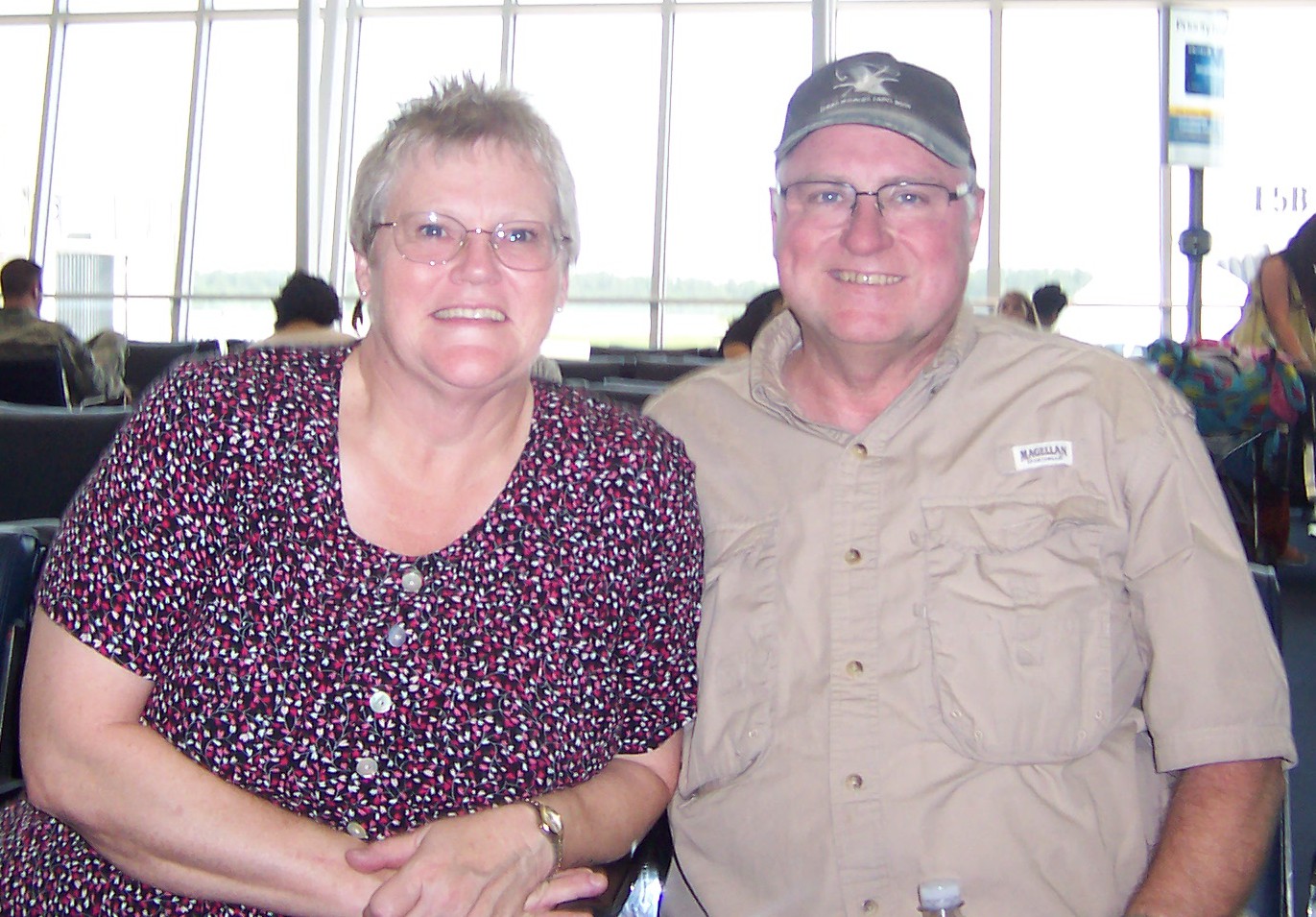
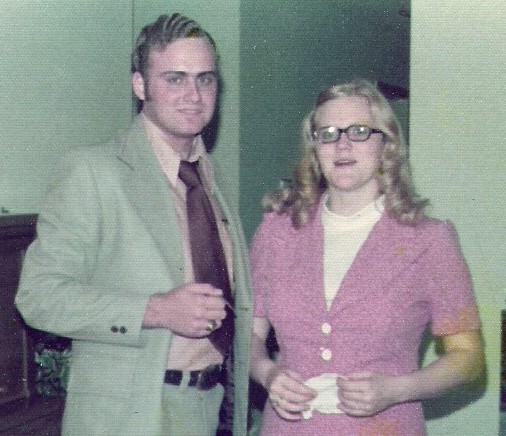
It happened on April 23, 1973.  Forty two years ago today Dee and I had our first date.  We refer to it as “the deal”.  We’ve had many dates since that day but never another one just like the first one.  I’ll explain in a minute.100_6530

I thought about that first date Tuesday night.  We had tickets to attend a classical piano concert at the Bob Bullock State History Museum in beautiful uptown Austin, Texas near the University of Texas campus.  The concert was part of the Texas Art and Culture Series.  Renowned Texas pianist and director of the Round Top Festival Institute James Dick performed.  Dick is a graduate of the University, winner of the Texas Medal of Arts, the Chevalier des Arts et Letters, and an Honorary Associate of London’s Royal Academy of Music.  He played several classical pieces from French composers in honor of the Museum’s new La Belle exhibit.  Dee and I particularly enjoyed the pieces composed by Claude Debussy.

Earlier in the evening we took advantage of our museum membership, parked in the parking garage and walked to dinner.  El Mercado provided the perfect fix for a couple who had a taste for Tex-Mex.  After dinner we strolled by beautiful old homes and gardens in the early cool of the evening.  We eventually found ourselves seated under the giant Star of Texas in front of the museum, talking while waiting to go inside.  I think she mentioned the approaching anniversary of our first date and it raised a question in my mind.  How many times had I taken her to a classical music concert?  She said this would be the first.  Surprised, I asked if she were sure.  (I think our memories are a little faulty these days.)  But I agreed it could have been me and the girls at those Stephen F. Austin concerts.  (No, wait a minute, I’m sure our whole family went to at least once.)  Well, it’s a good thing her favorite music’s not classical!

I thought about how much I enjoyed our conversation and how much I always do.  We spend more time together now than we ever have and would not want it any other way.   We enjoy being together and never have to force ourselves to find something about which to talk.  I’m glad.

Now about that first date.

I was a senior in high school in Denton, Texas.  Dee was a freshman at Texas Women’s University.  We met through friends at church.  I never really gave her much thought because she was “so much” older than me.  But one night she pulled me aside at the

Yes, those are the same two people.

Christian Student Center and asked if she could ask my advice.  That conversation, hearing her heart, opened my heart to hers that night and boy did I take notice!  About two weeks later, while working on a class project, I decided to use it as an excuse to ask her out.  I told her I would make a deal with her.  Help me on my project and I’ll take you out for pizza.  I’ve been asking her ever since and she’s been saying, “Yes”.  But, I’ve never asked her to help me on a high school project.  That was a one of a kind date.

We saw each other almost every day for four months and then I was off to school.  We would spend very little time together the next two years.  We were both very busy.  We “dated” long distance which I think helped my grades but wasn’t nearly as much fun.

Less than a week after my 20th birthday and at a time of the year when we were the same age, we were married.  It hasn’t always been easy or fun but it’s been a lot more fun than it’s been uneasy.  I think we would start it all over again today.  Who knows, with a little bit of experience, it could be even better.

Now, you’re wondering, why this story?  Why all the detail?  Well it’s like this.  As a family historian I’m sure some of you have regretted not asking you grandparents more questions or listening to their long-winded details?  My hope is that when one of my grandchildren ask the questions, I wonder where Pop and Memaw met or I wonder what they did on their first date, they will find this firsthand account.  What I would give for some firsthand accounts.  How about you?


Samuel Byrd and the Texas Taxman

You can learn a lot from tax records.  Consider Samuel Byrd.

This Samuel Byrd was born in Tennessee on April 14, 1814.  He was the son of David Byrd and Jane Morehead.  His grandparents were Richard and Elizabeth Buster Byrd.  He (this Samuel Byrd) is one of my great, great grandfathers.  I say “this” Samuel Byrd because he’s often confused with his son Samuel Zedock Byrd (1852 – 1938) by people building online trees.  We know much about this son.  I visited his and his second wife’s grave a few weeks ago in Collin County, Texas.  I also, quite by accident, came across his first wife’s grave in a Hunt County, Texas cemetery while looking for another great, great grandfather.  His death certificate records his name as S.Z. Byrd.  There’s a good article about him and his family in a book on Collin County families.   (Collin County Texas Families, Alice Ellison Pitts and Minnie Pitts Champ; Cutis Media, Hurst, Texas; pages 69, 70.)  The article was written by Bryan Vicars, a proud family descendant.  I can’t prove some of the statements in the article (In fact, I can disprove some and doubt others.), but I do know “this” is Samuel Zedock Byrd, the son of my great, great grandfather Samuel Byrd.

I’m very interested in “my” Samuel Byrd.  I know so little about him.  I know more about his wife Elizabeth Horn Byrd.  I know a lot more about his other children.  I’ve spent considerable time trying to know him yet he remains distant and illusive to me.

Some say Samuel Byrd migrated to Texas in the middle 1850’s.  Someone reported on Find a Grave that he died September 11, 1857 and is buried in historic Pecan Grove Cemetery in McKinney, Texas.  I cannot confirm either of those statements.  The cemetery association was “officially” formed in or after 1870.  It is believed however that people have been buried in those grounds since the 1850’s.  According to land records, the land was originally owned by the McFarland and then fairly soon purchased by the Davis Family.  Both of these families previously lived in Wilson County, Tennessee before migrating to Texas.  It is believed by some that both Jeremiah and Elizabeth Horn were born in Wilson County.  Could their families, the Horns, McFarlands and Davis’s, known each other in Tennessee?

I know my great, great grandmother Elizabeth is buried in Pecan Grove.  I know her second husband Thomas Rodman is buried beside her.  I once thought my 2 x great grandfather Samuel was buried there in a vacant space on the other side of Elizabeth.  I no longer do.  Here are some reasons.

  • There is no record of his burial there. He is not in any plot records including the hand written originals in the cemetery’s safe.
  • The cemetery personnel believe someone may be buried in that vacant space but have no way of knowing who. It’s not in the records.  The plot is actually still for sale.  I give more weight to Samuel and Elizabeth’s six year old son Jeremiah David Byrd being buried there in 1861 and may explain Elizabeth’s decision to return here to bury her second husband and later have her children bury her there.  The name on those occupied plot deeds is Elizabeth Rodman dated from the 1870s.  She only purchased 2 plots when she certainly could have afforded 3 and a headstone for her first husband.  (BTW, my “abt” and “aft” date of 1855 for Samuel’s death date on my family tree is based on Jeremiah David’s 1855 birth date.
  • There are no records of any kind for “this” Samuel Byrd in the State of Texas.   No census.  No probate.  No obituaries.  No bank records.  No land records.  No tax records.  There is nothing you would expect from a man settling in to a new place…or dying!  And, I can find some or all of these for Elizabeth and her children in Texas beginning in 1860.

Death and taxes are the two certain things in life.  The tax man always cometh.  When I thought about this, I decided to firm up my suppositions with “negative proof”.  I would need to show myself there is no evidence “my’ Samuel Byrd ever arrived in Texas –  tax records.  Samuel Byrd was never to my knowledge, and I searched four likely counties, charged a tax in Texas. That means no taxes for land, occupation, income, etc.  None.

But, here’s something interesting.  I began tracking Samuel’s father-in-law Jeremiah Horn and his sons George and John’s tax records.  They began paying taxes in 1846 in Collin County and continued to pay taxes through 1857.  These included taxes on their wagons and we know they were teamsters and had a freight business.  Then in 1858, I lost them and did not pick them up again until 1860.  Why?  I don’t know.  Perhaps it was an oversight on my part.  But it wasn’t just Jeremiah, it was Jeremiah and George and John.  All three owned original survey land in Collin County.

OK, I don’t know what happened.

Here’s something I know.  In the 1860 Federal Census, Elizabeth and her children are living in Collin County near the Lebanon Post Office.  She is the head of her household and works as a weaver.  The community of Lebanon was named after Lebanon, Tennessee the previous home of many of the early settlers in this part of Collin County.  That’s Lebanon in Wilson County, Tennessee.  She lived about nine miles south of her father’s home place and about five miles west of another property once surveyed for him.  She was about nine miles north of her “missing” husband’s cousin James Byrd in north Dallas County and about eleven miles east of her son Pleasant Wesley’s future wife’s family in Denton County.

What if Samuel Byrd, yes “that” one, died in Alabama?  What if the Horns made the trip to where Elizabeth was living in order to help her, her five girls and young sons, finish crops, sale land, pack up and make the move to Texas in 1859?

I don’t know.  I really don’t.  I’m open to new documented evidence.  But here’s what I know so far…the Texas taxman never came for Samuel Byrd, but death did.


Have you ever used tax records in your family history research?  Interested?

Check out Susan Jackman’s great article on using taxes in your genealogical research.

http://www.archives.com/experts/jackman-susan/tax-records-in-genealogical-research.html

Ten Genealogical Lessons I Learned the Hard Way – New FREE webinar available for a LIMITED TIME

Here’s another great Legacy Family Tree seminar.  It’s FREE for a limited time.  Genealogist Warren Bittner shares his years of experience by sharing some of his mistakes as a researcher and how you can avoid them.  Humorous and Helpful.

Click on the link and press the “Watch Video” button.  Enjoy!

http://www.familytreewebinars.com/download.php?webinar_id=284

Tip # 7: How to Use Other Family Trees

Online family trees can be a blessing or a curse in your family research.

They are a curse if you…

  • Dismiss them as having no value to your research
  • Take them as “gospel” truth without question
  • Use their information without confirming its accuracy
  • Copy them to just fill in the blanks on your family tree

They are a blessing if you…

  • Use them as clues providing direction to your research
  • Ask, “Can I confirm or disprove these statements?”
  • Use them as affirmation when they agree with your completed research.
  • Connect you with other researchers interested in your family line

When I began researching my Byrd family, I met a 1st cousin I didn’t know.  Harold invited me to view his family tree on Ancestry and it has served as an invaluable guide in my Byrd family research.  Thanks Harold Byrd!  Some of the most exhaustive work done on our Byrd family has been done by Randall Byrd.  Much of his work was done in the difficult old fashion ways of the past.  Thanks Randall!

How you use family trees built by others is entirely up to you.  Keep this in mind.  Your decision will be a blessing or a curse to your family research.

Hurry! Two FREE online webinars for a very limited time. Check out these free resources.

Legacy Family Tree offers free weibnars for non-subscribers on an almost weekly basis. There are presently two FREE seminars for your viewing.  Check these out.  Simply click the view button.

American Revolution Genealogy (Until the 15th)

The War of Independence changed history; our history; our families’ history. It’s a story about which we want to know more. Did my ancestor help? …even a little? There’s much to be learned about our ancestors’ roles in this moment in history. In this class, we’ll discover where to start, what the best resources are, and how to tackle the research. So, let’s go in search of answers using the soldiers’ service and pension records and unit narratives.

http://www.familytreewebinars.com/download.php?webinar_id=260

Hookers, Crooks, and Kooks – Aunt Merle Didn’t Run a Boarding House (Until the 17th)

Each of us wants to ignore that scalawag, that counterfeiter, or that madam in our family, but the black sheep may prove the most interesting of all. Learn to examine clues in unusual and also common sources. Learn how they lead to locating more records.

http://www.familytreewebinars.com/download.php?webinar_id=262

Tip #6: Decide to find the facts and not just fill in the blanks.

The internet enables incredible research and collaboration with others on your family’s history.  It’s also fraught with potential traps and misdirection.  A research mistake by you or others is multiplied.  In the past, a person took a blank family tree chart or family group sheet and filled in the blanks on paper as they researched their family.  It was a simple way to keep track of the “facts” they uncovered in their research.  If they were wrong, if they made a mistake in their research, very few people knew or were affected.  That’s not true today.

Family history is not a competition.  We may use games to teach our family history but the research we do is not a game.  When we fail in our due diligence and rush to fill in as many blanks as possible on an online family tree, we confuse and potentially misdirect others.  We may leave behind lies rather than facts for our families to follow.

This is NOT a call to abandon or stop posting online family trees.  I would never do that.  The collaborative aspect is much too valuable.  I’m appealing for accuracy in our research before we post and when we’re not sure about our conclusion to be very clear about our uncertainty.  And there lies the problem with family trees.  They are made up of names, dates and lines connecting those names and dates.  They create blanks for us to fill in and discourage uncertainty.  Family trees are not theses or dissertations.  They’re a simplified expression of that kind of research and thought.

It’s OK to leave blanks on family trees when we’re not reasonably certain what should go in those blanks.  It’s OK for others to question what we have put in our blanks.  We should welcome this.  It’s OK to change the information in our blanks.  It’s OK to use “abt” or “ca” or “unknown”.  Doing so may be better for you and others.

Here’s the bottom line.  You have to decide.  As the genealogist/family historian are you going to focus on finding the facts or filling in the blanks as fast as you can?  Will it be a competition or competent research?  If it’s competent research, you’ll be able to fill in the blanks with confidence.

What do you see?

I wrote in an earlier post about the importance of skepticism when doing genealogy/family history research.  Here’s a good example.  This is a death certificate I found yesterday while doing some research for a new cousin.  What do you see recorded as the full name for the subject of this official death certificate?  How would you transcribe this name?

1901 Drury, Edith Victoria death certificate

The indexer for this collection saw this name as “Edith Van Connie Drury”.  What did you see?  Here’s what the indexer should have seen and recorded:   Edith Victoria Drury.

Be cautious and tenacious when doing your research.  A future fellow researcher will rise up and call you “blessed!”

Did I say our family enjoyed baseball?

Willem plays T-ball
Photo courtesy of Sandi Dodd


Willem Roberts becomes our 5th grandson this spring to begin his baseball season!  Go Astros!  I am told we will soon have our 4th granddaughter playing softball in 2015.  We are so blessed!  (and multiplying)